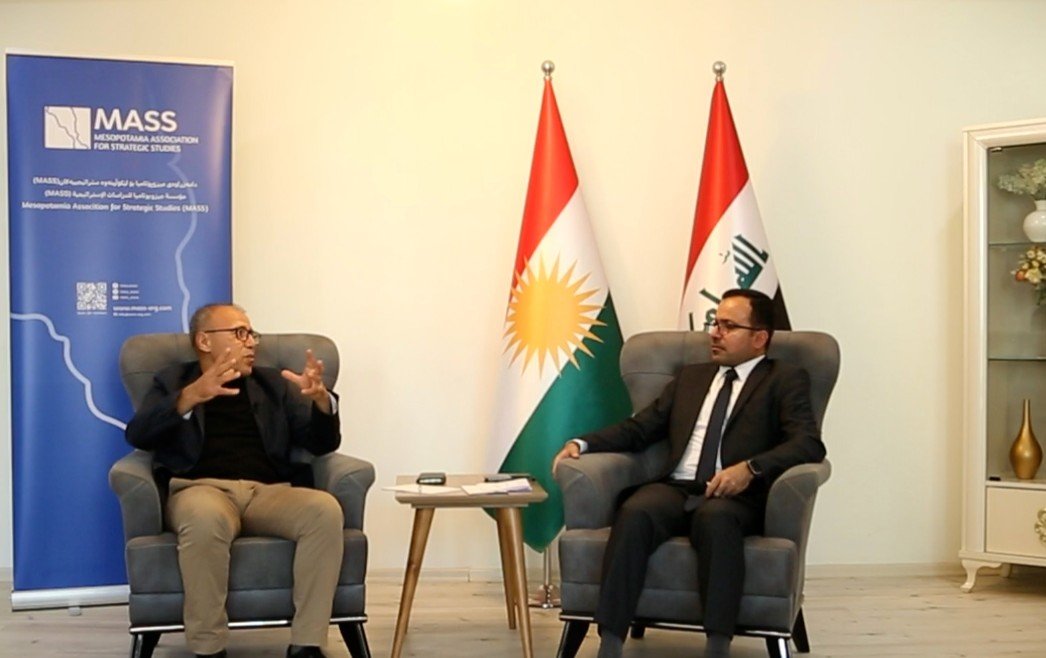


The problem is theft
Dr. Yousef Mohammed
The Iraqi parliament has been debating the electoral bill for nearly a year, but this was the result of pressure from Iraqi protesters. The House of Representatives was also forced to dissolve the previous election commission, which was resumed at the beginning of this election cycle in a deal with the major factions, and to appoint a new commission by a new law.
Iraqi protesters have succeeded in changing the electoral commission and the electoral law. But the main forces that won Iraq’s previous violent elections in 2018 succeeded in misleading the demands of the demonstrators and divided the new council of commissioners like cakes among themselves. The same scenario is repeated for the electoral law. After the electoral law “except for constituencies” was passed in December last year with many shortcomings, the same forces still want to pass the constituencies as they wish.
As we have repeatedly said in parliamentary and other political meetings, the problem of the Iraqi elections, including the region, is not the problem of the electoral system and how to design the electoral districts, but related to the widespread changes that are constantly repeated. The problem is related to corrupt political money and the presence of party armed forces that prevent citizens from voting freely. All this has led to a continuous decline in the level of people’s participation in the elections. Therefore, participation in the 2018 parliamentary elections recorded a low level, but a year later thousands of citizens in central and southern provinces took to the streets demanding changes in the entire Iraqi political system.
All electoral systems and the way constituencies are divided in democratic systems have their advantages and disadvantages. No electoral system achieves absolute justice. A system may be good for one society, but not for another. Even within a single state, an electoral system that previously achieved fairness in measuring the votes of citizens may eventually produce a one-party system due to some changes. For example, Britain’s single-seat constituency system, which used to produce a stable two-party system that constantly changed power, has now led the Conservatives to continue elections for several terms despite the crisis he wins.
Multiple constituencies in democratic systems make the results of elections more reflective of the will of the voters. But in a country like Iraq, including the region, where the electoral variable is decisive, narrowing the constituencies is in the interest of the power of the armed and corruptly funded organizations that can easily organize their votes and win the elections. It is not surprising that the forces that won the largest number of seats due to fraud in the last parliamentary elections, and those accused of burning the ballot boxes of the last elections in Rasafa to disrupt the manual counting of votes, now carry the flag!
 Previous Post
 Next Post